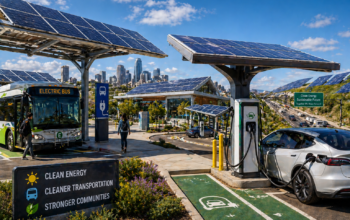
Solar energy has been growing rapidly in the United States in recent years, and is playing an increasingly important role in the country’s energy mix. The question of whether solar energy will eventually power the United States is a complex one, and depends on several factors, including the growth of the solar energy industry, the development of new technologies, and the adoption of supportive policies and incentives.
The Growth of Solar Energy in the United States
Solar energy production in the United States has been growing rapidly in recent years, and is expected to continue to grow in the future. Currently, the production of solar energy in the United States is estimated to be around 2% of the country’s total energy production, and is expected to continue to grow as the technology becomes more affordable and accessible.
The Potential for Solar Energy to Power the United States
The potential for solar energy to power the United States is significant, given the country’s abundant solar resources and the growth of the solar energy industry. However, the realization of this potential will depend on several factors, including the continued growth of the solar energy industry, the development of new technologies, and the adoption of supportive policies and incentives.
The Challenges of Scaling Solar Energy Production
There are several challenges associated with scaling solar energy production in the United States, including the cost of solar technology, the need for grid upgrades, and the development of energy storage solutions. In order to address these challenges, the solar energy industry will need to continue to evolve and improve, and will require the support of government policies and incentives.
The Role of Government in Supporting Solar Energy Adoption
The government has an important role to play in supporting the growth of the solar energy industry and encouraging the adoption of solar energy. This can be done through the development of policies and incentives that make solar energy more affordable and accessible for businesses and homeowners, as well as through investment in research and development of new technologies.
The Future Outlook for Solar Energy in the United States
The future outlook for solar energy in the United States is highly positive, and the industry is expected to continue to grow and evolve in the years to come. New technologies and innovations are expected to emerge, and the declining cost of solar technology is expected to make it even more affordable and accessible. In addition, government policies and incentives are expected to continue to play an important role in encouraging the growth of the solar energy industry.
The Benefits of Solar Energy for the United States
The adoption of solar energy in the United States offers several benefits, including reducing the country’s dependence on fossil fuels and other non-renewable energy sources, improving energy security, creating jobs and economic opportunities, and helping to address the challenges posed by climate change. In addition, solar energy is a clean and renewable energy source that does not produce greenhouse gas emissions, and has the potential to significantly reduce the country’s carbon footprint.
The Importance of Energy Storage Solutions
The development of energy storage solutions is an important factor in the growth of solar energy production in the United States. Energy storage solutions allow for the efficient storage of energy generated by solar panels, which can then be used when the sun is not shining. The availability of energy storage solutions will play a critical role in the growth of solar energy production in the United States, and will help to ensure that the energy produced by solar panels is used efficiently.
The Role of the Private Sector in Supporting Solar Energy Adoption
The private sector has an important role to play in supporting the growth of the solar energy industry and encouraging the adoption of solar energy. This can be done through investment in research and development of new technologies, and through the development of new business models and financing options that make solar energy more affordable and accessible for businesses and homeowners.
The Importance of Public Awareness and Education
Public awareness and education is an important factor in the growth of the solar energy industry in the United States. Increasing public awareness of the benefits of solar energy, and educating the public about the technology and how it works, will help to build support for the industry and encourage wider adoption of solar energy.
The Impact of Solar Energy on Other Energy Sources
The growth of solar energy production in the United States is likely to have a significant impact on other energy sources, including fossil fuels and nuclear power. As solar energy becomes more affordable and accessible, it is likely to displace other energy sources, particularly those that are more expensive or have a greater impact on the environment. This shift towards solar energy is expected to have a positive impact on the environment, as it will reduce greenhouse gas emissions and help to address the challenges posed by climate change.
The Importance of International Cooperation
International cooperation is an important factor in the growth of solar energy production in the United States and around the world. Collaboration between countries can help to advance the technology, share knowledge and expertise, and promote the growth of the solar energy industry. By working together, countries can help to ensure that solar energy is adopted and used more effectively and efficiently, and can help to address the challenges posed by climate change.
The Role of Governments in Encouraging Solar Energy Adoption
Governments have an important role to play in encouraging the growth of the solar energy industry and the adoption of solar energy. This can be done through the development of policies and incentives that make solar energy more affordable and accessible for businesses and homeowners, as well as through investment in research and development of new technologies. Governments can also play a role in raising public awareness and educating the public about the benefits of solar energy, and in encouraging international cooperation to advance the technology and promote the growth of the industry.
Conclusion
Whether solar energy will eventually power the United States is a complex question that depends on several factors, including the growth of the solar energy industry, the development of new technologies, and the adoption of supportive policies and incentives. The potential for solar energy to power the United States is significant, and the future outlook for solar energy in the country is highly positive. The growth of the solar energy industry will be supported by declining costs of solar technology, government policies and incentives, and increased awareness of the benefits of solar energy. While there are challenges associated with scaling solar energy production in the United States, these can be addressed through continued innovation and investment in the industry, and through supportive government policies and incentives. Ultimately, the future of solar energy in the United States is highly promising, and the industry is expected to play an increasingly important role in the country’s energy mix in the years to come.
Check out the link below for related articles: