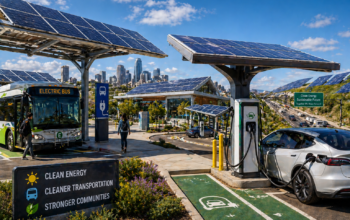
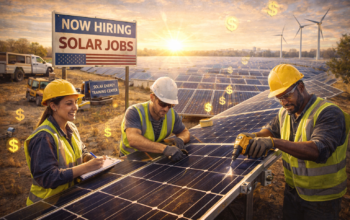
The United States solar market has grown significantly over the past decade, becoming one of the largest markets for solar energy in the world. With declining costs and increased public awareness and support, the solar industry is expected to continue to grow in the years to come.
The Size of the U.S. Solar Market
The U.S. solar market has grown rapidly over the past decade, with installed capacity increasing from just over 1 GW in 2008 to over 100 GW in 2021. This growth has been driven by declining costs and improved technology, as well as supportive government policies and incentives.
The Growth of the U.S. Solar Market
The U.S. solar market has experienced significant growth in recent years, with installed capacity increasing by over 60% from 2018 to 2019 alone. This growth has been driven by declining costs, improved technology, and supportive government policies, including the federal Investment Tax Credit (ITC), which provides a tax credit for the installation of solar energy systems.
The Role of Government Policies and Incentives
Government policies and incentives have played an important role in the growth of the U.S. solar market. In addition to the federal ITC, many states have also implemented their own policies and incentives to support the growth of solar energy. These policies and incentives have helped to make solar energy more affordable and accessible, encouraging greater investment and innovation in the sector.
The Importance of Energy Storage Solutions
Energy storage solutions will also play an important role in the growth of the U.S. solar market. Energy storage allows for the efficient and effective use of solar energy, even when the sun is not shining. This will be critical in enabling the United States to rely more heavily on solar energy in the future.
The Potential for Solar Energy to Meet the U.S. Energy Needs
The potential of solar energy to meet the United States’ energy needs is significant. With an average of 5 hours of sunlight per day, the country has the potential to generate a significant amount of electricity from solar energy. In addition, the cost of solar technologies has declined dramatically in recent years, making it more affordable and accessible for businesses and homeowners.
The Role of the Private Sector in the Growth of the U.S. Solar Market
The private sector has also played an important role in the growth of the U.S. solar market. Companies have invested in solar energy, both as a way to reduce their energy costs and as a means of reducing their carbon footprint. In addition, many companies have also become involved in the development of new technologies and innovations in the solar energy sector.
The Future Outlook for the U.S. Solar Market
The future outlook for the U.S. solar market is highly positive, with the industry expected to continue to grow and evolve in the years to come. New technologies and innovations are expected to emerge, and the declining cost of solar technologies is expected to make them even more affordable and accessible. In addition, government policies and incentives are expected to continue to play an important role in encouraging the growth of the solar energy industry.
The Role of State and Local Governments
In addition to federal policies and incentives, state and local governments also play a significant role in the growth of the U.S. solar market. Many states have implemented their own policies and incentives to support the growth of solar energy, and many cities and communities have also taken steps to promote the use of solar energy. For example, some states have established renewable portfolio standards (RPS) that require a certain percentage of their energy to come from renewable sources like solar.
The Benefits of Solar Energy for Communities
The growth of the solar energy industry has also brought significant benefits to communities across the United States. For example, solar energy can create jobs and economic opportunities, reduce energy costs for businesses and homeowners, and help to reduce greenhouse gas emissions. In addition, the installation of solar energy systems can also help to improve energy security and reduce dependence on fossil fuels.
The Importance of Public Education and Awareness
Finally, public education and awareness will also play a critical role in the growth of the U.S. solar market. By educating the public about the benefits of solar energy, and the challenges posed by climate change, communities can help to build greater support for solar energy and demand clean energy solutions. This can help to create a more supportive environment for the solar energy industry, and encourage greater investment and innovation in the sector.
The Importance of Grid Integration
As the U.S. solar market continues to grow, it will be critical to ensure that the solar energy produced is effectively integrated into the grid. This will require improvements in grid technology and infrastructure, as well as closer collaboration between utilities, regulators, and the solar industry.
The Role of Advanced Technologies
Advanced technologies will play a critical role in the growth of the U.S. solar market, both in terms of improving the efficiency and effectiveness of solar energy production and in facilitating the integration of solar energy into the grid. For example, advances in solar panels, energy storage solutions, and smart grid technology will help to improve the reliability and efficiency of the grid, and support the growth of solar energy.
Conclusion
In conclusion, the U.S. solar market has grown significantly over the past decade, becoming one of the largest markets for solar energy in the world. The future outlook for the industry is highly positive, with the industry expected to continue to grow and evolve in the years to come. The growth of the U.S. solar market will be supported by declining costs of solar technologies, supportive government policies and incentives, investment by the private sector, and increased public awareness and education. By addressing the challenges associated with scaling solar energy and improving grid integration, the United States can continue to move towards a more sustainable energy future powered by solar energy.
Visit the related articles link below: