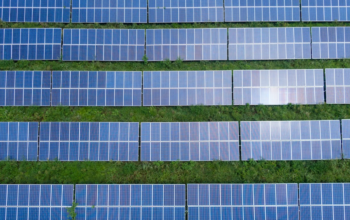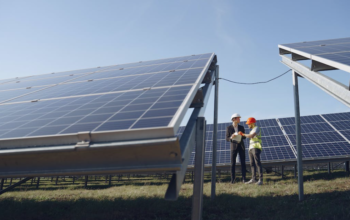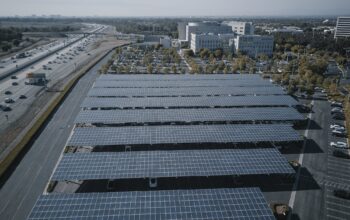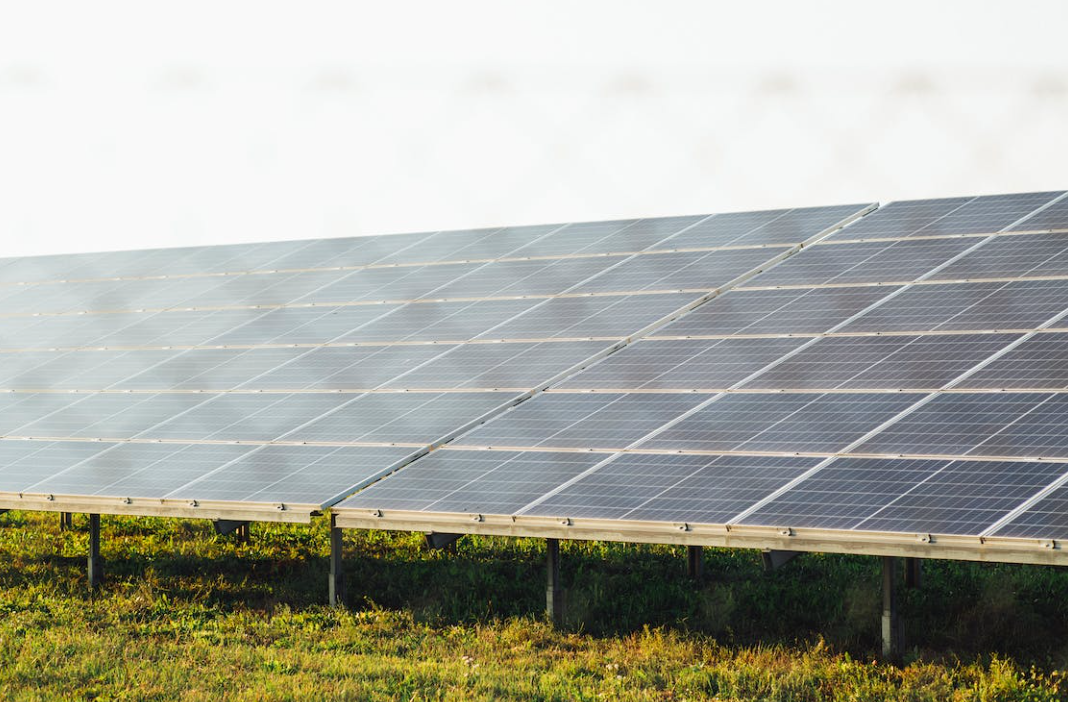
The United States has seen a rapid growth in solar energy capacity in recent years, and has become one of the largest solar markets in the world. As of 2021, the country has a total installed solar capacity of over 100 gigawatts (GW), and this capacity is expected to continue to grow in the years to come.
The Growth of Solar Energy Capacity in the United States
The growth of solar energy capacity in the United States has been driven by declining costs of solar technologies, supportive government policies and incentives, and increased public awareness and education. In recent years, the cost of solar panels has fallen dramatically, making it more affordable and accessible for businesses and homeowners. This has helped to drive the growth of the solar industry, and has encouraged more investment in the sector.
The Current State of Solar Energy Capacity in the United States
As of 2021, the United States has a total installed solar capacity of over 100 GW, making it one of the largest solar markets in the world. According to data from the US Energy Information Administration (EIA), the country added over 20 GW of new solar capacity in 2020, and is expected to continue to add new capacity in the years to come. The majority of solar energy capacity in the United States is located in the states of California, Arizona, and North Carolina, which are known for their sunny climates and favorable policy environments for solar energy.
The Benefits of Solar Energy Capacity
The growth of solar energy capacity in the United States offers several benefits, including reducing the country’s dependence on fossil fuels and other non-renewable energy sources, improving energy security, creating jobs and economic opportunities, and helping to address the challenges posed by climate change. Solar energy is a clean and renewable energy source that does not produce greenhouse gas emissions, and has the potential to significantly reduce the country’s carbon footprint.
The Challenges of Scaling Solar Energy Capacity
There are several challenges associated with scaling solar energy capacity in the United States, including the cost of solar technologies, the need for grid upgrades, and the development of energy storage solutions. In order to address these challenges, the solar energy industry will need to continue to evolve and improve, and will require the support of government policies and incentives.
The Role of Government in Supporting Solar Energy Adoption
The government has an important role to play in supporting the growth of the solar energy industry and encouraging the adoption of solar energy. This can be done through the development of policies and incentives that make solar energy more affordable and accessible for businesses and homeowners, as well as through investment in research and development of new technologies.
The Future Outlook for Solar Energy in the United States
The future outlook for solar energy in the United States is highly positive, and the industry is expected to continue to grow and evolve in the years to come. New technologies and innovations are expected to emerge, and the declining cost of solar technologies is expected to make them even more affordable and accessible. In addition, government policies and incentives are expected to continue to play an important role in encouraging the growth of the solar energy industry.
The Role of Private Investment in the Solar Energy Industry
Private investment is also playing an important role in the growth of the solar energy industry in the United States. As the cost of solar technologies continues to decline, private investment is becoming increasingly attractive to investors, as it offers the potential for long-term returns and growth. Private investment is helping to drive innovation and technological advancements in the solar energy industry, and is helping to build new solar energy infrastructure and facilities.
The Importance of Public Awareness and Education
Public awareness and education is also an important factor in the growth of the solar energy industry in the United States. As more people become aware of the benefits of solar energy, and understand the challenges posed by climate change, they are more likely to support solar energy and demand clean energy solutions. This can help to create a more supportive environment for the solar energy industry, and can encourage greater investment and innovation in the sector.
Conclusion
The United States has seen a rapid growth in solar energy capacity in recent years, and has become one of the largest solar markets in the world. As of 2021, the country has a total installed solar capacity of over 100 GW, and this capacity is expected to continue to grow in the years to come. The growth of the solar energy industry will be supported by declining costs of solar technologies, supportive government policies and incentives, investment by the private sector, and increased public awareness and education. The future outlook for solar energy in the United States is highly positive, and the industry is expected to continue to play a critical role in the country’s energy mix in the years to come. The benefits of solar energy, including reducing dependence on fossil fuels, improving energy security, creating jobs and economic opportunities, and addressing climate change, make it an important source of clean and renewable energy for the future.
In order to continue the growth of solar energy capacity in the United States, it will be important for the industry to address the challenges posed by scaling solar energy and improving grid integration. This will require the support of government policies and incentives, as well as investment in research and development of new technologies. The development of energy storage solutions will also be critical, as it will allow for the efficient and effective use of solar energy, even when the sun is not shining.
As the United States continues to transition towards a more sustainable energy future, solar energy will play an increasingly important role in meeting the country’s energy needs. The growth of the solar energy industry will create new jobs and economic opportunities, and will help to reduce the country’s dependence on fossil fuels and other non-renewable energy sources. With continued innovation and investment in the industry, solar energy has the potential to become an increasingly significant source of clean and renewable energy for the United States and the world.