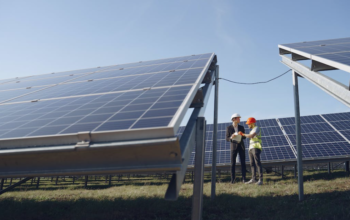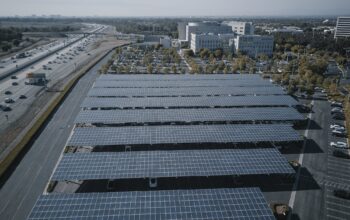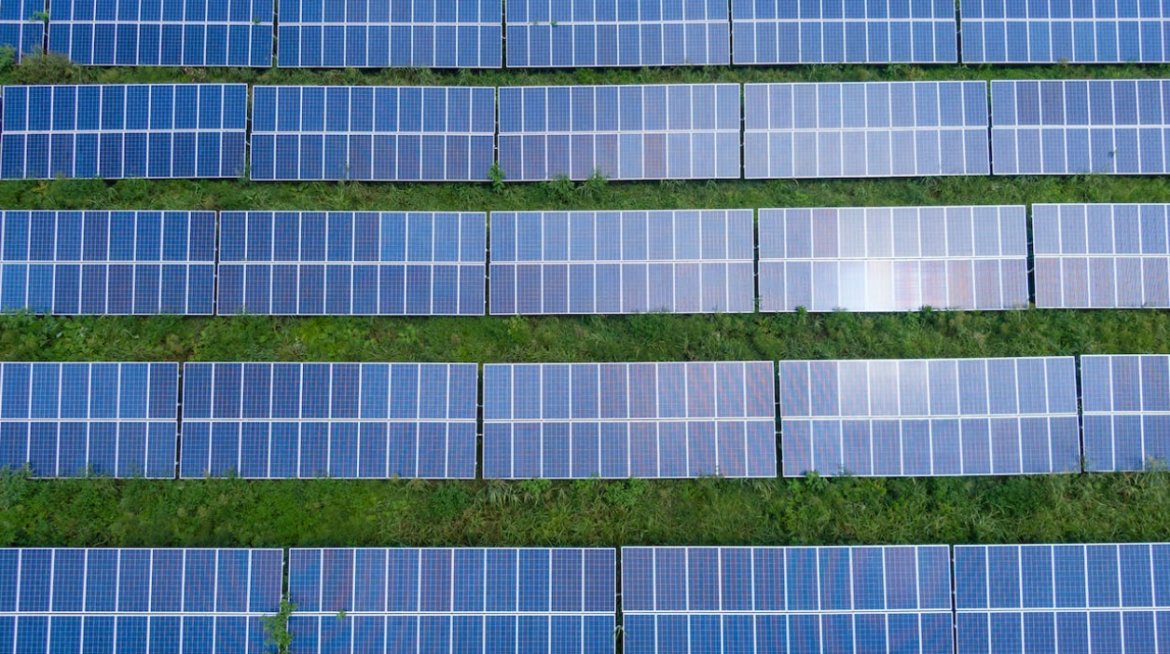
The United States is one of the largest producers of solar energy in the world, ranking among the top countries in terms of installed solar capacity and energy production. However, despite its significant potential, the United States still lags behind other countries in terms of the share of its total energy production that comes from solar energy.
Installed Solar Capacity
In terms of installed solar capacity, the United States ranks third in the world, behind China and Japan. According to the International Energy Agency (IEA), the United States had over 100 gigawatts (GW) of installed solar capacity as of 2019, with an estimated 20 GW of new capacity added in 2020. This represents a significant increase from just a few years ago, when the United States had only a fraction of this amount of installed solar capacity.
Solar Energy Production
In terms of solar energy production, the United States ranks fourth in the world, behind China, Japan, and Germany. According to the IEA, the United States generated over 40 GW of solar energy in 2019, which represents a significant increase from just a few years ago. This growth has been driven by a combination of declining costs for solar technologies, as well as supportive policies and incentives from the federal government and many states.
Share of Total Energy Production
Despite its significant progress in recent years, the United States still lags behind other countries in terms of the share of its total energy production that comes from solar energy. According to the IEA, solar energy accounted for only 1.5% of total energy production in the United States in 2019, which is lower than the shares seen in countries like Germany and Italy. This suggests that there is still significant room for growth in the US solar energy market.
Government Policies
The United States government has played a significant role in promoting the growth of the solar energy industry, through a variety of policies and incentives aimed at encouraging investment and deployment of solar energy systems. These policies have included tax credits, grants, and loan programs, as well as regulations aimed at promoting the use of renewable energy and reducing greenhouse gas emissions.
State Rankings
While the United States ranks high in terms of overall solar capacity and production, the distribution of solar energy across the country is not uniform. Some states, such as California and Arizona, have made significant investments in solar energy and have become leaders in the industry, while other states have lagged behind.
California
California is by far the largest producer of solar energy in the United States, with more installed solar capacity than any other state. According to the IEA, California had over 30 GW of installed solar capacity in 2019, which represents over a third of total installed capacity in the United States. This growth has been driven by a combination of supportive policies and incentives, as well as the state’s abundant sunshine and large population.
Arizona
Arizona is another state that has become a leader in solar energy production, ranking second in the United States in terms of installed solar capacity. According to the IEA, Arizona had over 4 GW of installed solar capacity in 2019, which represents a significant increase from just a few years ago. This growth has been driven by supportive policies and incentives, as well as the state’s abundant sunshine and large population.
North Carolina
North Carolina is another state that has made significant investments in solar energy, ranking third in the United States in terms of installed solar capacity. According to the IEA, North Carolina had over 4 GW of installed solar capacity in 2019, which represents a significant increase from just a few years ago. This growth has been driven by supportive policies and incentives, as well as the state’s abundant sunshine and growing population.
Potential for Growth
Despite the progress that has been made in the US solar energy market, there is still significant potential for growth in the coming years. According to the National Renewable Energy Laboratory (NREL), the technical potential for solar energy in the United States is nearly unlimited, with the potential to generate over 1,000 GW of electricity from solar panels alone.
Increasing Adoption
One of the key drivers of growth in the US solar energy market is the increasing adoption of solar energy by households, businesses, and governments. As the cost of solar technologies continues to decline and awareness of the benefits of solar energy increases, more and more people are choosing to invest in solar energy systems.
Government Support
Another key driver of growth in the US solar energy market is continued support from the federal government and many states. This includes a variety of policies and incentives aimed at promoting the use of renewable energy, reducing greenhouse gas emissions, and supporting the growth of the solar energy industry.
Technological Advancements
Another factor that is expected to drive growth in the US solar energy market is ongoing technological advancements in the field. These advancements include improvements in the efficiency of solar panels, the development of new energy storage solutions, and the integration of solar energy into the grid.
Conclusion
The United States is a significant producer of solar energy, ranking among the top countries in terms of installed solar capacity and energy production. Despite this progress, however, the United States still lags behind other countries in terms of the share of its total energy production that comes from solar energy. To continue to grow the US solar energy market, it will be critical to address the challenges facing the industry, including cost, grid integration, public perception, and government policies. By doing so, the United States can continue to move towards a more sustainable energy future powered by solar energy.