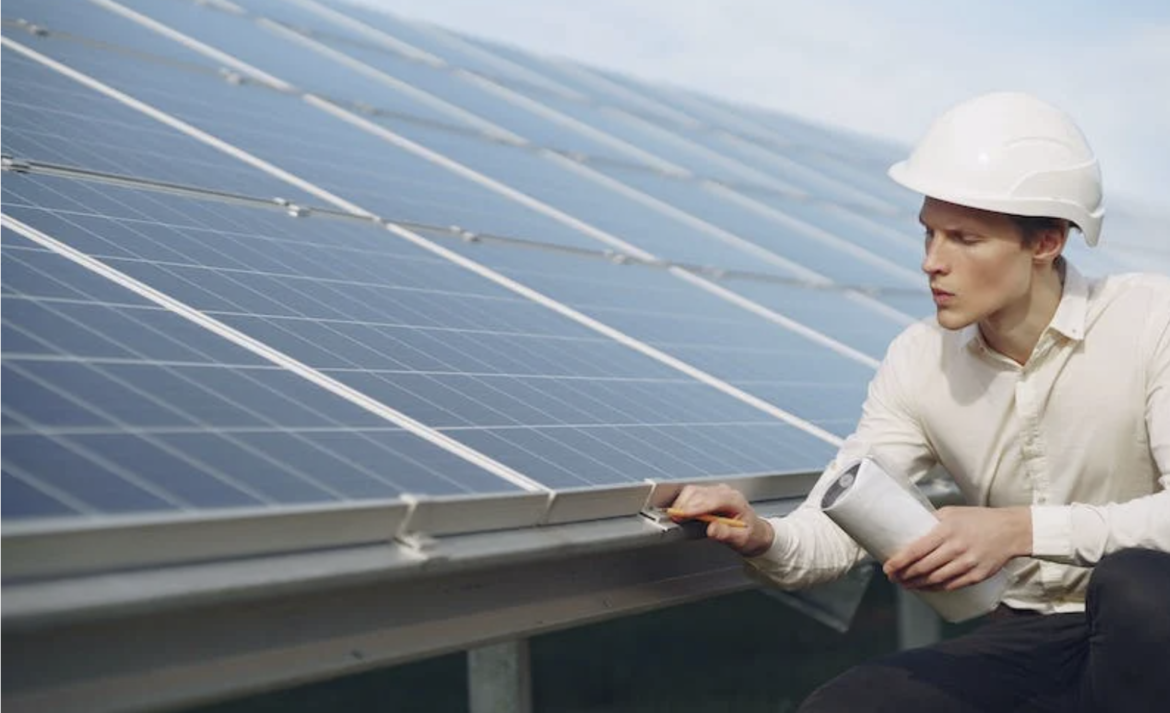
Despite its abundant potential, the use of solar energy in the United States has been limited. While the country has made significant progress in recent years, there are still a number of challenges that have prevented solar energy from becoming a more significant part of the nation’s energy mix.
Cost
One of the main challenges to the widespread adoption of solar energy in the United States is cost. While the cost of solar technologies has declined dramatically in recent years, it is still more expensive than traditional energy sources such as coal, natural gas, and nuclear power. This has made it more difficult for the solar energy industry to compete with these established energy sources, and has limited the growth of the solar energy market.
Grid Integration
Another challenge to the widespread adoption of solar energy in the United States is grid integration. Solar energy is produced intermittently, and can be difficult to integrate into the grid. This has made it more challenging to ensure that the energy produced by solar panels can be effectively and efficiently used by consumers.
Public Perception
Public perception has also played a role in limiting the growth of the solar energy industry in the United States. Despite the many benefits of solar energy, some people remain skeptical about its reliability and effectiveness, and may be resistant to investing in or supporting the development of solar energy.
Government Policies
Finally, government policies have also played a role in limiting the growth of the solar energy industry in the United States. Despite the supportive policies and incentives that have been implemented by the federal government and many states, there have also been challenges and obstacles that have made it more difficult for the solar energy industry to grow and compete with other energy sources.
Lack of Government Support
One of the key factors that has limited the growth of the solar energy industry in the United States is the lack of consistent and comprehensive support from the government. While there have been some federal and state incentives aimed at supporting the growth of solar energy, these policies have often been limited in scope and uncertain in their duration. This has made it difficult for the solar energy industry to plan for the future, and has limited investment in the sector.
Technical Challenges
Another factor that has limited the growth of the solar energy industry in the United States is the technical challenges associated with the deployment and integration of solar energy systems. This includes challenges related to the installation and maintenance of solar panels, as well as the integration of solar energy into the grid. While these challenges have been addressed to some extent in recent years, they remain significant barriers to the widespread adoption of solar energy.
Competition from Fossil Fuels
Another factor that has limited the growth of the solar energy industry in the United States is competition from traditional energy sources, particularly fossil fuels. Despite the many benefits of solar energy, it is still more expensive than traditional energy sources like coal, natural gas, and oil, which have dominated the energy market for many decades. This has made it difficult for the solar energy industry to compete, and has limited the growth of the sector.
Insufficient Investment
Finally, a lack of investment in the solar energy industry has also limited its growth in the United States. Despite the significant potential of solar energy, investors have often been hesitant to invest in the sector, due to concerns about its reliability, stability, and profitability. This has limited the growth of the solar energy market, and has prevented it from reaching its full potential.
Infrastructure Limitations
Another factor that has limited the growth of the solar energy industry in the United States is the lack of infrastructure in place to support widespread deployment of solar energy systems. This includes the lack of transmission and distribution systems to transport the energy generated by solar panels to consumers, as well as the lack of energy storage solutions to ensure that the energy produced by solar panels can be used when it is needed.
Education and Awareness
Another challenge to the growth of the solar energy industry in the United States is a lack of education and awareness among the general public about the benefits of solar energy. Despite the many benefits of solar energy, many people are still not aware of its potential, or are misinformed about the technology. This has limited the growth of the solar energy market, as people are less likely to invest in or support solar energy if they do not understand its benefits.
NIMBYism (Not In My Backyard)
Another factor that has limited the growth of the solar energy industry in the United States is NIMBYism, or the tendency of people to resist the installation of new infrastructure and development projects in their communities. This has been a particular challenge for the solar energy industry, as people may resist the installation of solar panels in their communities due to concerns about aesthetics, property values, and environmental impact.
Conclusion
In conclusion, while the potential of solar energy in the United States is significant, there are still a number of challenges that have prevented it from becoming a more significant part of the nation’s energy mix. These challenges include cost, grid integration, public perception, and government policies. To overcome these challenges and ensure the continued growth of the solar energy industry, it will be critical to address these issues and find ways to make solar energy more affordable, reliable, and accessible to consumers. By doing so, the United States can continue to move towards a more sustainable energy future powered by solar energy.
See further relevant articles below:
- https://www.inspirecleanenergy.com/blog/clean-energy-101/why-dont-we-use-more-renewable-energy
- https://www.cnbc.com/2022/12/29/why-isnt-the-us-electrical-grid-run-on-100percent-renewable-energy-yet.html
- https://www.theatlantic.com/science/archive/2021/06/why-the-us-doesnt-really-make-solar-panels-anymore-industrial-policy/619213/