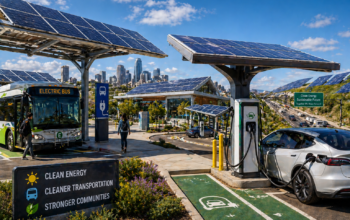
The United States is one of the leading producers of solar energy in the world, and is home to a growing number of solar power plants and installations. Solar energy production in the United States varies by state, and some states are producing more solar energy than others. In this article, we will take a closer look at the main states that produce solar energy in America, and the factors that are driving the growth of the solar industry in these states.
California
California is the leading producer of solar energy in the United States, and is home to more solar power plants and installations than any other state. According to the U.S. Energy Information Administration (EIA), California produced a total of 24,000 gigawatt-hours (GWh) of solar energy in 2019, which represented more than one-third of the total solar energy produced in the United States. This growth is driven by the state’s strong commitment to transitioning to a more sustainable energy future, and its investments in the development of its solar industry.
Arizona
Arizona is another leading producer of solar energy in the United States, and is home to a growing number of solar power plants and installations. According to the EIA, Arizona produced a total of 5,000 GWh of solar energy in 2019, which made it one of the top states for solar energy production in the country. This growth is driven by the state’s abundant sunshine, which makes it an ideal location for solar energy production, and its investments in the development of its solar industry.
North Carolina
North Carolina is a rapidly growing producer of solar energy, and is home to a growing number of solar power plants and installations. According to the EIA, North Carolina produced a total of 4,000 GWh of solar energy in 2019, which made it one of the top states for solar energy production in the country. This growth is driven by the state’s strong commitment to transitioning to a more sustainable energy future, and its investments in the development of its solar industry, as well as its favorable policies and incentives for the solar industry.
Nevada
Nevada is another rapidly growing producer of solar energy, and is home to a growing number of solar power plants and installations. According to the EIA, Nevada produced a total of 3,000 GWh of solar energy in 2019, which made it one of the top states for solar energy production in the country. This growth is driven by the state’s abundant sunshine, which makes it an ideal location for solar energy production, as well as its favorable policies and incentives for the solar industry.
Utah
Utah is another rapidly growing producer of solar energy, and is home to a growing number of solar power plants and installations. According to the EIA, Utah produced a total of 2,000 GWh of solar energy in 2019, which made it one of the top states for solar energy production in the country. This growth is driven by the state’s strong commitment to transitioning to a more sustainable energy future, and its investments in the development of its solar industry, as well as its favorable policies and incentives for the solar industry.
Other States
In addition to the main states that produce solar energy in America, several other states are also producing significant amounts of solar energy. These states include New Jersey, Massachusetts, Texas, and others.
Factors Driving the Growth of Solar Energy Production in America
The growth of solar energy production in America is driven by several key factors, including:
- Government incentives and policies: The United States government has implemented a number of policies and incentives to encourage the development and deployment of solar energy, including tax credits, grants, and subsidies. These policies have helped to make solar energy more affordable and accessible, and have encouraged businesses and homeowners to switch to solar power.
- Declining cost of solar technology: The cost of solar technology has been declining in recent years, making it more affordable and accessible for businesses and homeowners. This has helped to drive the growth of the solar industry, and has encouraged more people to switch to solar power.
- Increased awareness of the benefits of solar energy: There has been a growing awareness of the benefits of solar energy in recent years, including its potential to reduce greenhouse gas emissions and improve energy security. This has helped to drive the growth of the solar industry, and has encouraged more people to switch to solar power.
- Abundant sunshine: Some states, such as California and Arizona, are located in regions with abundant sunshine, which makes them ideal locations for solar energy production.
Challenges Facing Solar Energy Production in America
Despite its rapid growth and success, the solar industry in America is facing several challenges that are affecting its growth and development. Some of the key challenges facing the industry include:
- Lack of consistent policies and regulations: The lack of consistent policies and regulations across different states can make it difficult for the solar industry to grow and develop, and can create uncertainty for businesses and investors.
- Interconnection issues: Interconnection issues, such as the process for connecting solar power plants to the grid, can create challenges for the growth of the solar industry.
- Competition from other energy sources: Competition from other energy sources, such as natural gas and wind, can make it more difficult for the solar industry to compete and grow.
Conclusion
Solar energy production in America is growing rapidly, and is being driven by a combination of factors, including government incentives and policies, the declining cost of solar technology, and increased awareness of the benefits of solar energy. Some of the main states that produce solar energy in America include California, Arizona, North Carolina, Nevada, and Utah. Despite some challenges, the future outlook for solar energy production in America is highly positive, and is expected to continue its rapid growth in the years to come.